Exploring the History and Culture of Vietnamese Coffee
Vietnam is the world’s second-largest coffee producer, and coffee culture is deeply woven into everyday life. From vibrant cities to quiet rural communities, coffee is more than just a beverage—it’s a ritual, a social connector, and an integral part of both daily routines and business interactions.
Coffee Culture in Vietnam
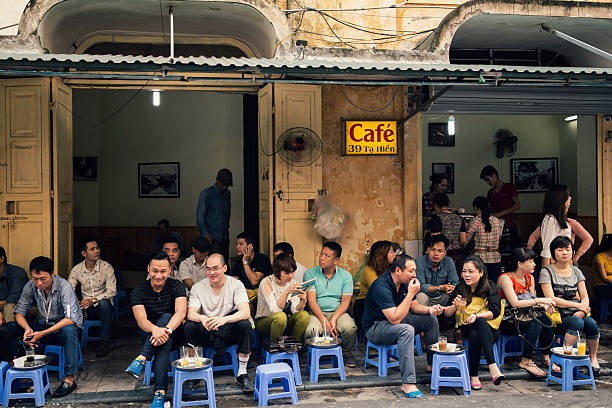
In Vietnam, coffee is more than just a morning boost—it’s a daily ritual that sets the tone for the day. From the bustling streets of Hanoi to the vibrant energy of Ho Chi Minh City, the scent of freshly brewed Vietnamese coffee fills the air as street vendors and cafés begin their day.
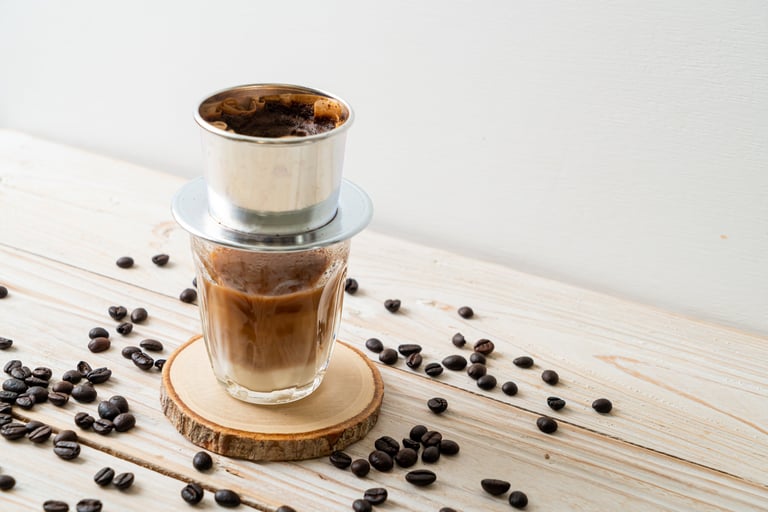
A typical morning starts with a cup of cà phê sữa đá (Vietnamese iced coffee with condensed milk) or cà phê đen (strong black coffee). These iconic drinks are traditionally brewed using a phin filter, a slow-drip method that enhances the coffee’s bold, rich flavour and full-bodied aroma.
This unhurried brewing process reflects the essence of Vietnamese coffee culture—taking time to pause, savour, and enjoy each moment before the day begins.
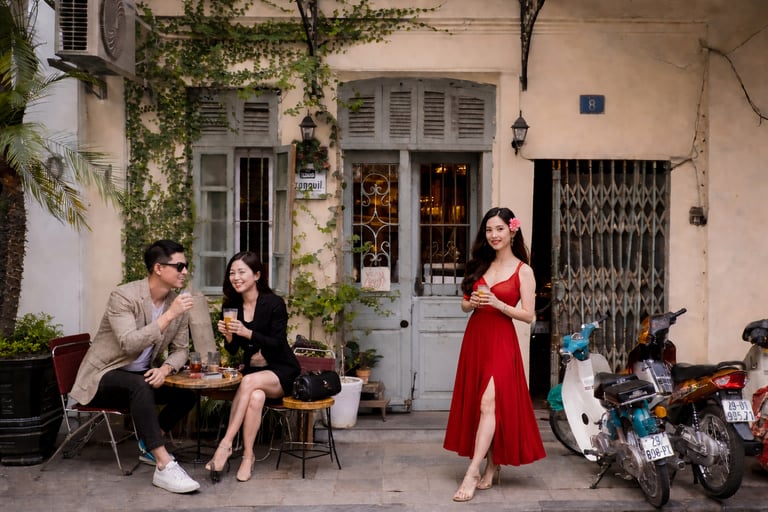
Coffee plays a central role in Vietnamese social culture, bringing people together across generations. From stylish modern cafés to charming street-side spots, Vietnamese cafés are everywhere—serving as vibrant social hubs where friends gather, families connect, and couples relax.
Unlike the fast-paced coffee habits seen in many Western countries, Vietnamese coffee culture is slow and intentional. It’s common for people to spend hours enjoying a single cup, engaging in conversation, and soaking in the atmosphere.
This relaxed approach reflects a deeper cultural value—coffee in Vietnam is not just about the drink, but about connection, community, and shared moments.
Morning Coffee Ritual in Vietnam
Coffee Culture and Social Life in Vietnam
In Vietnam, coffee plays an essential role in business culture and networking. Many meetings—whether discussing new opportunities, negotiating deals, or building partnerships—take place in cafés rather than formal offices.
This relaxed café setting helps create a more open and comfortable environment, making it easier to connect on a personal level. In Vietnamese business culture, relationships and trust are highly valued, and sharing a cup of coffee is often the first step in building both.
More than just a drink, coffee becomes a bridge for communication—blending business with genuine human connection.
Coffee Culture in Vietnamese Business
A Brief History About Coffee in Vietnam
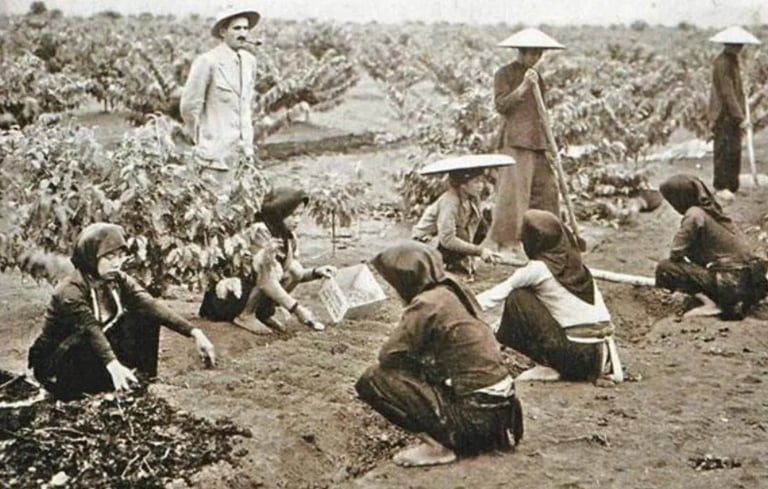
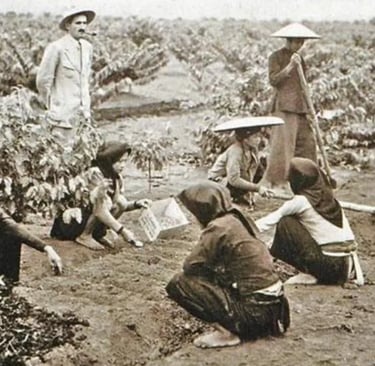
Coffee was first introduced to Vietnam in the mid-19th century by French colonisers, who recognised the country’s favourable climate and fertile soil for cultivation. In 1857, a French Catholic priest, Père Labat, planted the first coffee trees in northern Vietnam—marking the beginning of the nation’s coffee journey.
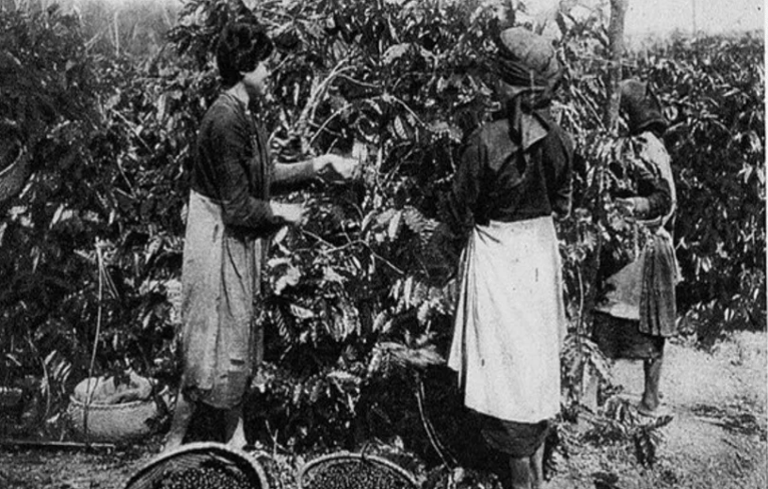
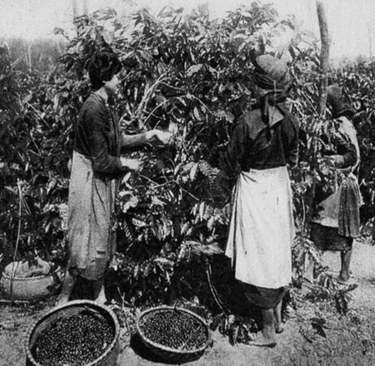
During French colonial rule, Vietnam’s coffee industry grew rapidly. By 1864, the French had established the first plantations in the Central Highlands, a region that would later become the heart of Vietnam’s coffee production. Significant investment was made in infrastructure, enabling large-scale cultivation and export to European markets.
The French also introduced new coffee varieties and farming techniques, focusing mainly on Robusta beans due to their suitability for Vietnam’s climate and high-yield potential. Many Vietnamese farmers, often working under colonial systems, became skilled in coffee cultivation during this time.
Colonial period and expansion
After gaining independence from France in 1954, Vietnam’s coffee sector underwent major transformation. The Vietnam War (1955–1975) severely disrupted production, with many plantations damaged or abandoned. Following the war, the government collectivised farms and shifted focus toward exporting coffee to Soviet bloc countries, laying the groundwork for the modern industry.
Post-war development and modern industry
In 1986, Vietnam introduced the Đổi Mới (“Renovation”) reforms, marking a major shift toward a market-driven economy and opening the country to global trade. This transformation had a significant impact on the coffee sector, encouraging farmers to expand production and participate in private enterprise.
Throughout the 1990s and 2000s, Vietnam’s coffee industry grew rapidly, with sharp increases in both production and exports. The country focused on cultivating high-quality Robusta beans, which were in strong demand worldwide. At the same time, investment in modern processing methods and improved infrastructure helped support this expansion.
Today, Vietnam stands as the world’s second-largest coffee exporter, renowned for its bold and distinctive Robusta coffee. This achievement reflects the resilience and adaptability of Vietnamese farmers, along with the country’s unique blend of natural advantages and rich cultural traditions.
From its early beginnings in the mid-19th century to its position as a global coffee powerhouse, Vietnam’s coffee story is one of perseverance, innovation, and a deep-rooted passion for the craft of coffee.
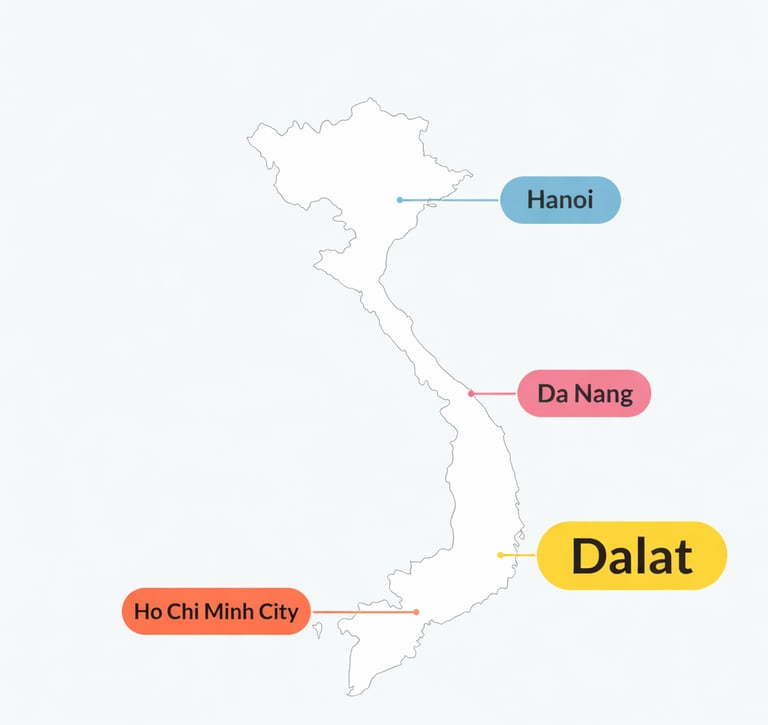
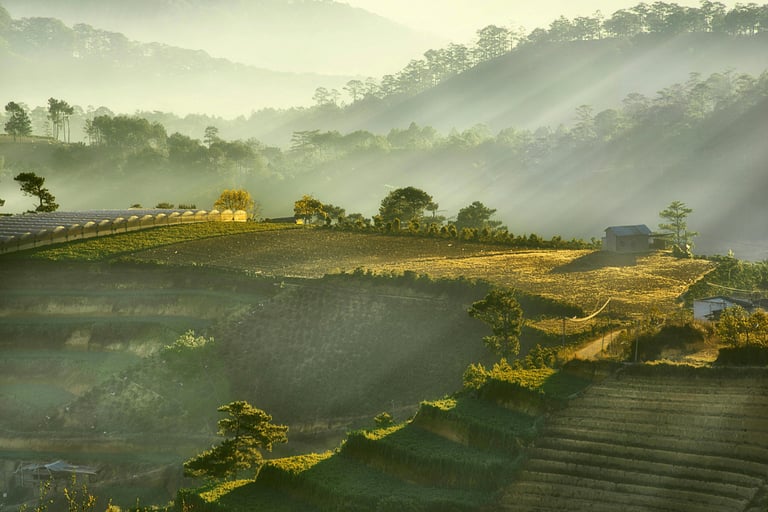
Da Lat coffee is famous for its rich flavour, smooth body, and aromatic profile. Grown in the cool highlands of Da Lat, Vietnam, its distinctive taste is shaped by high altitude, fertile soil, and ideal climate conditions. From traditional Vietnamese phin coffee to modern espresso, Da Lat coffee offers a premium experience for true coffee lovers.
Famous types of Dalat coffee
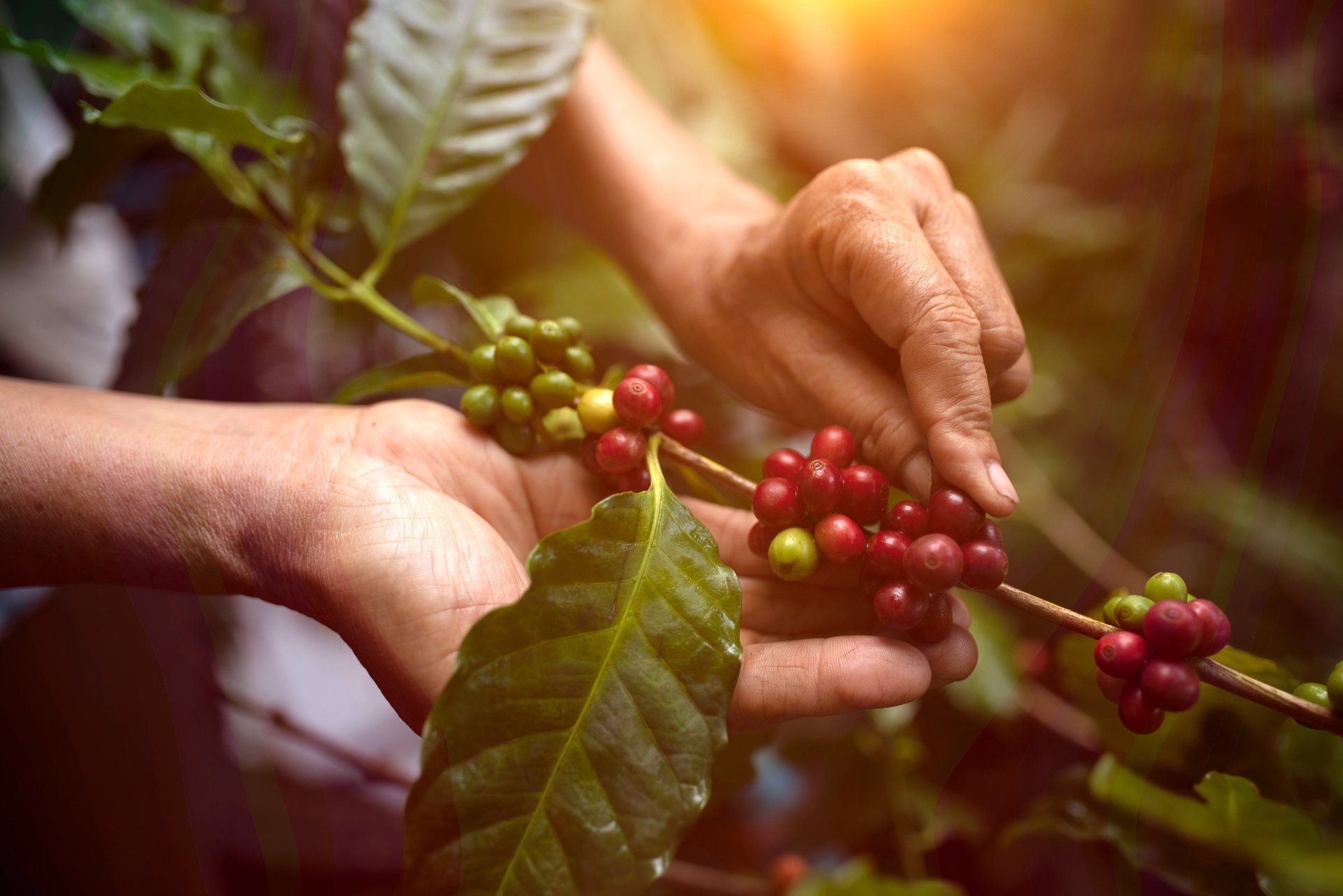
Dalat coffee is known for its diversity and rich flavour profiles, offering something for every coffee lover. Grown in the highlands of Da Lat, Vietnam, these beans are shaped by ideal climate conditions, high altitude, and fertile soil—resulting in some of the best Vietnamese coffee beans available today.
Arabica coffee (Cau Dat, Dalat)
Arabica coffee from Da Lat, particularly from the renowned Cau Dat region, is prized for its smooth, refined flavour. Thanks to the area’s cool climate and mineral-rich soil, these beans develop a gentle acidity, mild bitterness, and light, fragrant profile. The famous Moka variety—often called the “queen of Arabica”—is especially valued for its complexity and elegance.
Weasel coffee (Civet coffee)
Weasel coffee, also known as civet coffee, is one of the most unique and premium coffees in Vietnam. Produced from beans naturally processed through civets, this method enhances the coffee’s flavour, creating a smoother, less bitter cup with rich, nuanced notes. It is considered a rare delicacy among coffee connoisseurs.
Robusta coffee (Vietnam’s signature strength)
Robusta coffee from Da Lat is bold, full-bodied, and intensely aromatic. Thriving in the region’s conditions, Robusta beans are naturally resilient and deliver a strong, lingering flavour. Known for higher caffeine content and a deep, chocolatey bitterness, it remains a favourite for those who enjoy a powerful coffee experience.
About Coffee from Da Lat Vietnam
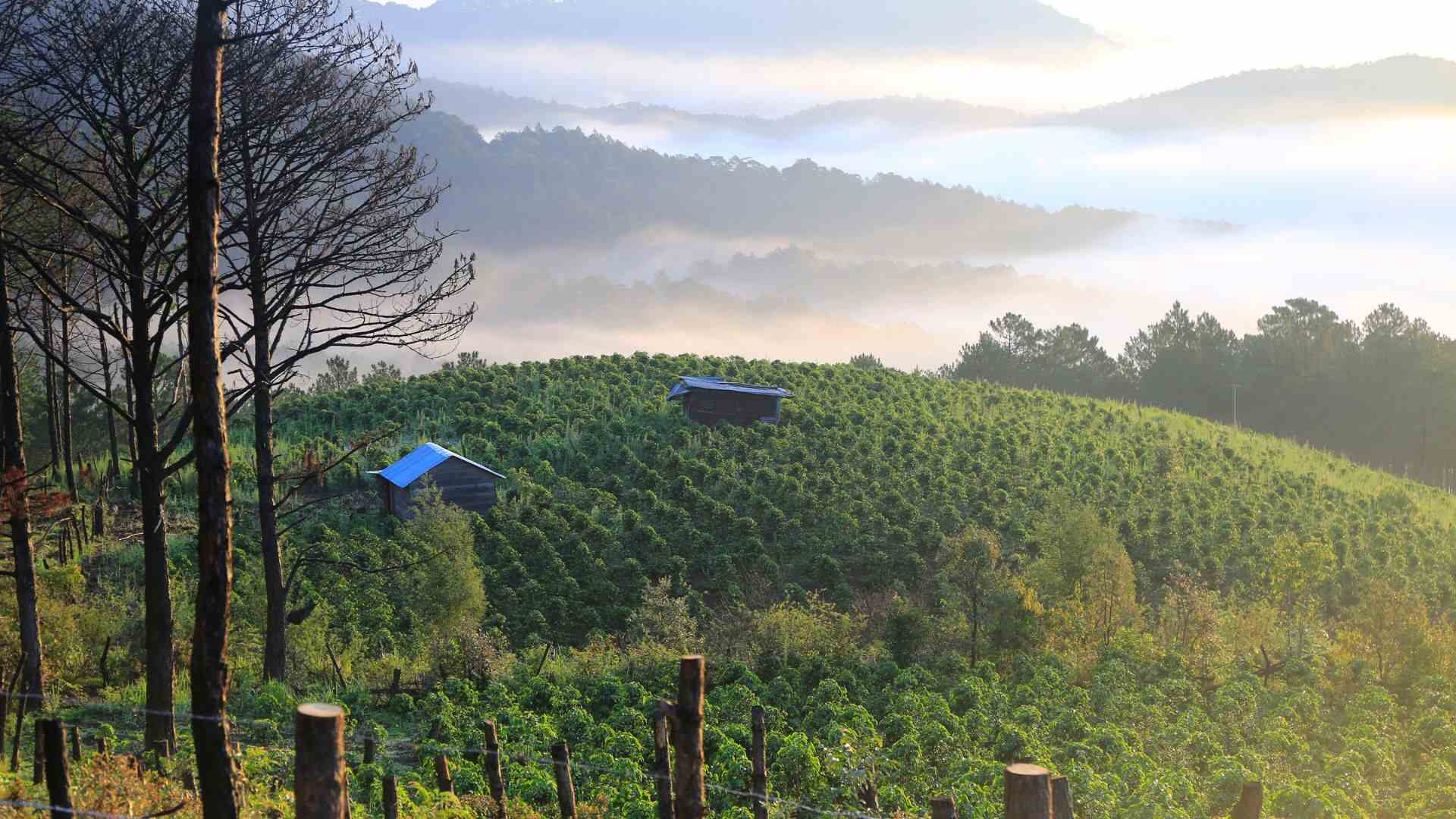
From Da Lat, Vietnam to Australia Fresh, Authentic Vietnamese Coffee
At Le Viet Cafe, we proudly source our coffee beans directly from the highlands of Da Lat, Vietnam, and deliver them fresh to Australia—ensuring exceptional quality, authenticity, and flavour in every cup. By working closely with local farmers, we bring you premium Da Lat Arabica and Robusta coffee beans, carefully selected to reflect Vietnam’s rich coffee heritage.
From farm to cup, our mission is to deliver the true taste of Vietnamese coffee in Australia—bold, balanced, and unforgettable.
Copyright © 2026 Le Viet Cafe.
We are located in Adelaide, sharing coffee from Vietnam to the rest of Australia!
Imported by Impact Investment Consultancy PTY LTD | Unit 2, 133 Kensington Road Norwood South Australia 5067
Vietnamese Coffee Le Viet Cafe but Vietnamese coffee online specialty coffee